
How Does the Synthetic Rubber Production Process Work?
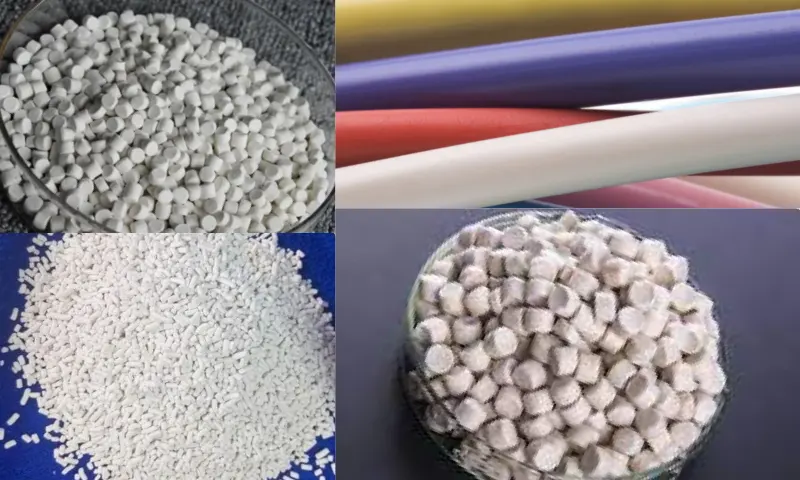
In Which Industries Does Synthetic Rubber Stand Out as an Indispensable Material?
The synthetic rubber production process begins with polymerization. During this process, small molecules called monomers are converted into long, chain-like molecules. This chain structure provides synthetic rubber with its flexibility and durability. The precise adjustment of temperature, pressure, and catalysts is of great importance in this process. After polymerization is complete, the synthetic rubber is turned into a paste. This paste is shaped according to the desired form, and its properties are improved by adding various additives. Properties such as hardness, elasticity, and resistance to heat or oil are controlled at this stage. You can visit the web address https://quadrokimya.com/urunlerimiz/sentetik-kaucuklar/ for more detailed information about synthetic rubber.
What Are the Environmental Impacts of Synthetic Rubber Products?
Synthetic rubber has become an indispensable material in many strategically important industries such as automotive, construction, electronics, defense, and health. In these industries, the performance and reliability of products largely depend on the quality of the material used, and synthetic rubber meets these expectations. In the automotive sector, synthetic rubber is used in engine seals, brake hoses, and suspension systems. In the construction sector, it is used for waterproofing, expansion joints, and exterior facade insulation. Its resistance to high temperatures allows it to be used even in industrial oven equipment. Synthetic rubber requires energy-intensive processes during its production, which brings along environmental impacts. Carbon emissions and chemical waste generated during the production process can harm the environment. Therefore, modern production facilities use various filtering and recovery systems to reduce these impacts. Recycling of synthetic rubber products that have reached the end of their service life is also important from an environmental perspective. Thanks to advanced technologies, many types of synthetic rubber can now be recycled, contributing to the conservation of natural resources.





