
HOW SMOKE DETECTORS WORK
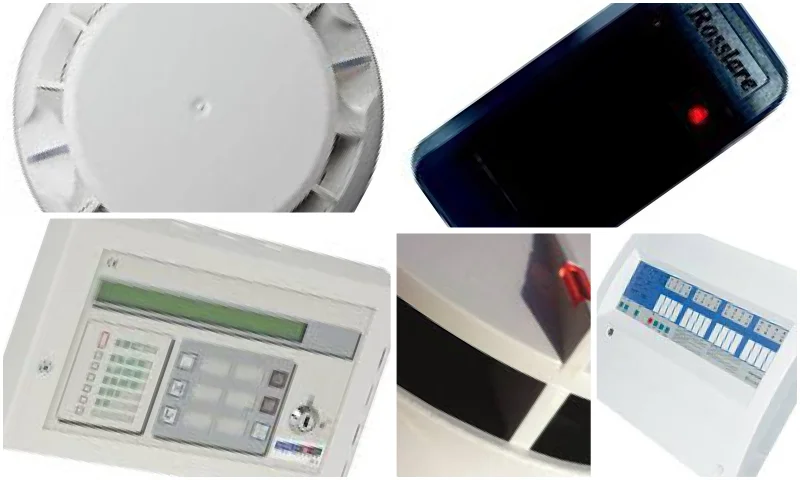
Carbon Monoxide Sensing Systems
Smoke detectors can be produced with different features. The optical smoke detector has an integration that works with a light sensor. You can find more information about all smoke sensor models at . If it receives less light from the light source, it means there is smoke in the environment. In this way, the optical smoke detector sends signals to the control panel.
Ionization Smoke Sensors
There are also smoke detectors with a carbon monoxide detection system. These systems, which can be integrated into different fire detection and alarm systems, can also work compatibly with camera systems. Smoke detectors that identify fire in its early stages ensure that potential loss of life or property is prevented immediately. These extremely compact systems can be disassembled and mounted at a new address if the building is moved. Ionization smoke detectors are among the smoke sensor models that contain radioactive material. It easily detects smoke thanks to the ionization of the air inside the device. Ionization smoke detectors, which send a signal when the normal air flow is disrupted, easily catch smoke in its early stages. In photoelectric models, another smoke sensor, the system is based on the scattering of light due to smoke. These detectors, which continuously have a light sensor, detect smoke when the light intensity decreases and inform the relevant units. Linear smoke detector is another model. This model works with the system of light absorption.





