
Which Floor Coverings are Compatible with Underfloor Heating?

Underfloor heating systems are preferred as a comfortable heating method, and choosing the right floor covering is important. These systems can work with various floor coverings such as ceramic tiles, natural stone, laminate flooring, wood flooring, linoleum, and PVC. However, each floor covering has different conductivity properties, which determines its interaction with the underfloor heating system. Materials like ceramic tiles and natural stone, which are thin and good conductors, have structures that transfer and distribute heat more quickly. Therefore, they are perfectly compatible with underfloor heating systems. Materials like wood flooring and laminate flooring can transfer heat more slowly and retain it for longer, which can reduce heating costs. You can look at relevant online companies on web pages to get information on this topic and ask your questions, and review them in detail from here.
How is Underfloor Heating System Maintenance Performed?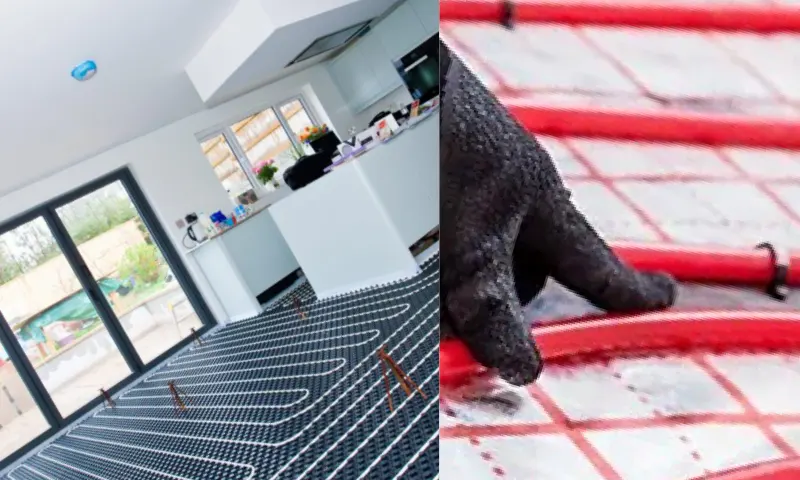
Underfloor heating systems can operate long-term and efficiently with regular maintenance. Maintenance procedures are carried out once a year by experts. During maintenance, the water level in the system is checked, and if it is low, it is replenished. Then, the pipes and connection points in the heating system are inspected, and possible leaks are checked. The quality of the water inside the heating system is also important. Minerals and sediments in the water can accumulate over time, which can reduce the system's efficiency.
How is the Cost of an Underfloor Heating System Calculated?
The installation cost of an underfloor heating system is determined by factors such as the size of the area to be heated, the insulation status of the rooms, the materials to be used, and the type of system preferred. There are water-based or electric underfloor heating options as system types. Water-based systems, being integrated into the general heating system of the house, may have a higher installation cost. Electric systems, on the other hand, have lower installation costs but may have higher operating costs.