
The Intersection of Discipline and Aesthetics in Ballet Education

Ballet education plays a significant role in the physical and mental development of children. Ballet classes, started at a young age, help children improve their flexibility, balance, and coordination skills. Movements accompanied by music strengthen the sense of rhythm, while working within a group supports social skills. Furthermore, ballet teaches children to work with discipline, be patient, and gain self-confidence. Therefore, ballet education not only imparts dance skills but also contributes to personal development. For information on this subject and to ask your questions, you can look at related online firms on internet pages and examine them in detail from here.
The Artistic and Physical Aspect of Ballet Education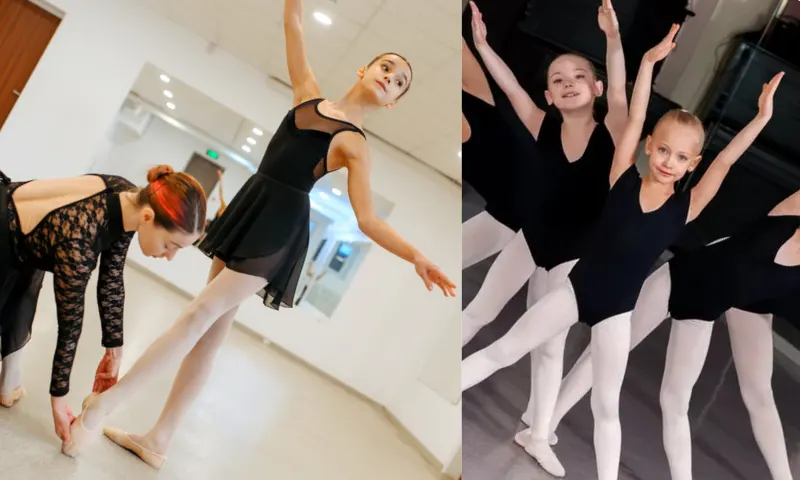
Ballet education aims to present graceful movements in aesthetic unity. Based on fundamental elements such as posture, flexibility, strength, and breath control, ballet enhances bodily awareness. Movements that strengthen the muscular structure also contribute to a more balanced and healthy body. With its artistic aspect, ballet allows the dancer to express themselves. Conveying emotions through movements enables students to develop both artistically and spiritually. Therefore, ballet is a special educational process where art and the body meet in harmony.
The Importance of Ballet Education as a Career and Hobby
Ballet education is a fundamental step for those aiming for a professional career. Students who want to receive academic dance training gain a strong foundation through ballet. Moreover, ballet also adds value to individuals' lives when chosen as a hobby. Participating in ballet classes away from the intense pace of work or school helps reduce stress and provides mental relaxation. It also increases self-confidence by providing stage experience. Whether it is a professional journey or an enjoyable pursuit, ballet education enriches individuals both physically and spiritually.