
The History and Production of Parmesan Cheese
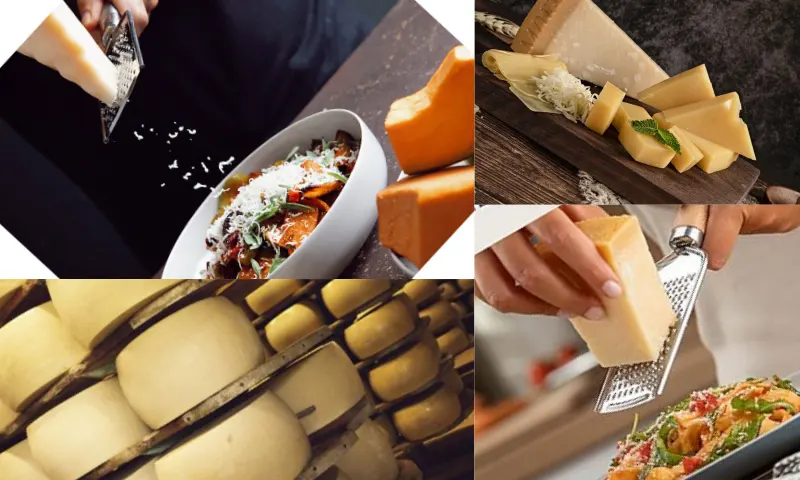
Parmesan cheese is a hard, granular cheese produced in the Emilia-Romagna region of Italy, also known as "Parmigiano-Reggiano". The origin of this cheese dates back to the 12th century, and it began to be produced in monasteries during that period. Parmesan is traditionally made from cow's milk and its production process is quite laborious. The milk is heated to a specific temperature, rennet is added, and the cheese is curdled. Then, the curdled milk is placed in molds, pressed, and immersed in brine for aging. The aging process can take a minimum of 12 months, but parmesan aged for longer periods has a more intense flavor and texture. No additives are used in the production of this cheese, and it is made entirely by natural methods, which makes it one of the highest quality cheeses in the world. You can examine relevant online companies on web pages to get information on this subject and ask your questions; you can examine them in detail from here.
Nutritional Values and Benefits of Parmesan Cheese
Parmesan cheese stands out with its rich nutritional values. It contains high amounts of protein and calcium, which are important for bone health and muscle development. It is also rich in important vitamins and minerals such as vitamin A, B12, and zinc. The low lactose content of this cheese makes it a suitable option for people with lactose intolerance. Parmesan supports digestive health due to its probiotic properties. Additionally, thanks to its intense flavor, it can be added to dishes in small amounts to enhance their taste, which can help reduce the use of excessive salt or fat. However, due to its high sodium content, it is important for people with blood pressure problems to be mindful of their consumption.
Usage of Parmesan Cheese in the Kitchen
Parmesan cheese has a versatile range of uses in the kitchen and is used as a key ingredient in many dishes. Parmesan, an indispensable part of Italian cuisine, is especially grated and added to dishes such as pasta, risotto, and soup. It can be used in salads in thin slices and adds a wonderful flavor with olive oil. In baked dishes, it can be used as a melting coating on gratinated potatoes or vegetables. Furthermore, crispy cheese crisps made from parmesan cheese are a healthy and delicious alternative as a snack. Parmesan can be served on cheese platters with other cheeses and pairs perfectly with wine. Thanks to its intense and characteristic taste, it adds depth and richness to dishes even when used in small quantities.





