
Uses of Food Dyes
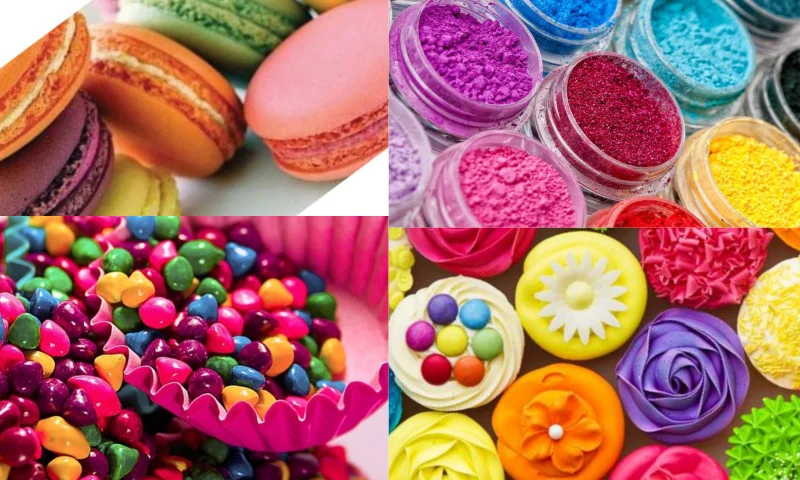
Food dyes are widely used for coloring foods and beverages. These dyes are used to diversify and add visual appeal to cakes, cookies, ice creams, beverages, and many other food products. They are also preferred for preparing foods in colors that match the theme for special events and holiday celebrations. Food dyes have a great impact on the presentation and visual appeal of food. For information on this subject and to ask your questions, you can check the relevant online companies on internet pages and examine them in detail from here.
Natural and Synthetic Food Dyes
Food dyes are found in two main categories: natural and synthetic. Natural food dyes are obtained from plants, fruits, or other natural sources. For example, natural sources like beetroot juice can be used to create red and pink tones. Synthetic food dyes are chemical compounds produced in laboratories. These are preferred for achieving brighter and more vibrant colors, but they can be allergens for some people. Natural food dyes are generally considered a healthier alternative and are more frequently used when adding color to children's foods.
Safety of Food Dyes and Points to Consider
The safety of food dyes is important. The Food and Drug Administration (FDA) regulates the use of food dyes and requires certain dyes to be used in limited quantities. People with allergy risks should be particularly careful when consuming synthetic dyes. In addition, excessive consumption of food dyes should be avoided, as this can be harmful. It is important to carefully read the packaging of food dyes and use them in recommended amounts. In conclusion, food dyes are an important tool for coloring foods and making them aesthetically appealing. However, care should be taken when using them, safety regulations should be followed, and a conscious choice should be made between natural or synthetic options.