
What is Mammography and How is it Performed?
What is Mammography?
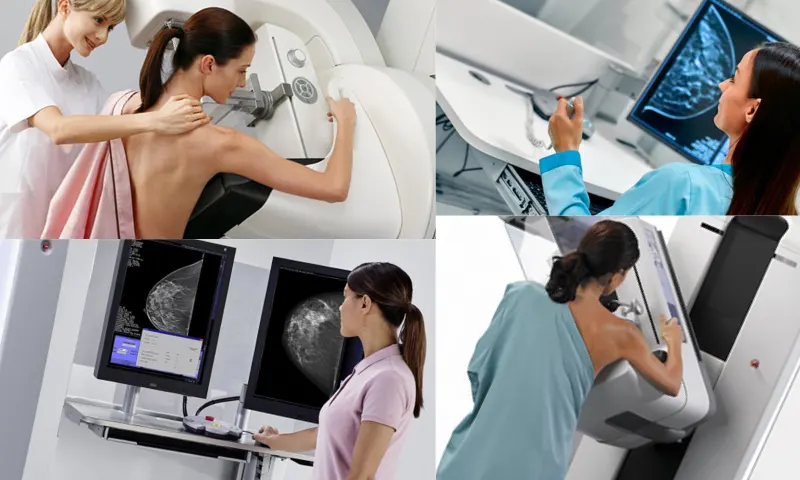
Mammography is a special type of X-ray imaging used for breast cancer screening and diagnosis. This method allows for detailed images of the breast tissues to be obtained, enabling the detection of possible abnormalities. During a mammography procedure, the breast is compressed between two flat plates, and images are taken from various angles using X-rays. This process is necessary to obtain clear and detailed images of the breast tissue. Mammography can be performed for both screening purposes (for routine check-ups) and diagnostic purposes (for examining suspicious findings). Screening mammography is typically used to detect breast cancer at an early stage in women who show no symptoms, while diagnostic mammography involves a detailed examination of a previously identified lump or symptom. You can find information on this topic and ask your questions by looking at related online companies on web pages and examining them in detail from there.
The Importance of Mammography
One of the most significant benefits of mammography is its ability to detect breast cancer at an early stage. Early diagnosed breast cancer responds better to treatment, and treatment options are wider. Mammography can often detect tumors before they reach a significant size, meaning before they can be felt during a clinical examination. This allows for a less invasive treatment process and maintains a high quality of life for the patient. In addition to breast cancer, mammography is also an effective method for detecting cysts, fibroadenomas, and other benign (non-cancerous) breast conditions. Regular mammography screenings play a crucial role in reducing breast cancer mortality rates in women. Therefore, it is of great importance for women over a certain age to undergo mammography screenings at the frequency recommended by their doctors.
What to Consider Before and After Mammography
There are several points to consider before and after a mammography procedure. Before the screening, patients are advised not to use products such as deodorants, perfumes, or body lotions, as these products can leave marks that may lead to false positive results on mammography images. Additionally, having patients bring their previous mammography images with them allows the doctor to make a more accurate assessment by comparing the new images with the old ones. During mammography, some women may experience discomfort because the breast tissue needs to be compressed for clearer imaging. Therefore, taking relaxing and soothing measures before the procedure can make it more comfortable. After the mammography screening, the resulting images are evaluated by a radiologist, and the results are communicated to the patient and their doctor. If an abnormal finding is detected, further tests such as additional imaging tests or a biopsy may be necessary. Normal results indicate that a repeat screening should be performed within the specified timeframe for the next mammography. Mammography results are typically communicated to the patient within a few days, and it is recommended to have a detailed discussion with the doctor to ensure the results are correctly understood.