What to Know About Silos
A silo, also known as a
grain silo, is generally a structure where bulk materials are kept, stored, or held. Furthermore, they are specially constructed for all businesses according to their size. This way, many different grain products are stored by fermentation. Thanks to fermentation, grains can be stored for a long time without spoiling, and a silo is a tall structure in cylindrical shapes, built according to special methods. It is of great importance in storing legumes such as corn, wheat, etc., and steel silos ensure that thousands of tons of products are protected in narrow spaces for a long time without spoilage. In steel silos, products are generally preserved as if they were newly harvested from the field within a year. In a silo of 300-350 square meters, 6 thousand tons of products can be easily stocked, while preventing the products from becoming stale and containing carcinogenic substances. Products protected in environments free from heating in the heat, getting wet in the rain, and also from infestation, are offered to consumers with their initial freshness after months. Grain silos always provide advantages to their users in these areas.
How are Grains Filled into Silos?
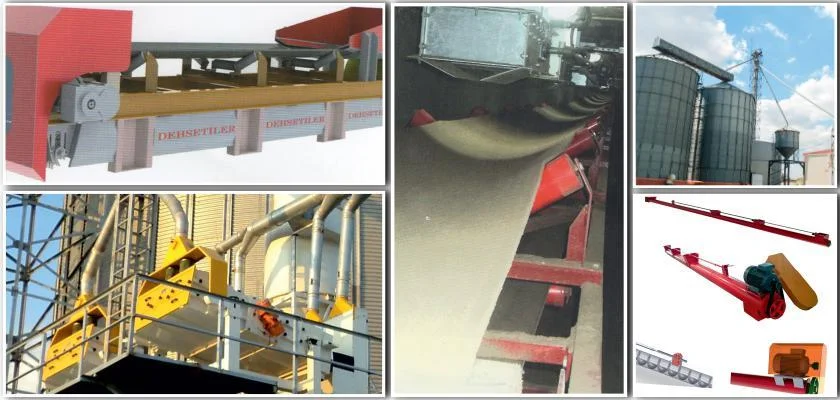
The grains to be placed in the silos rise to the top by means of an elevator or conveyor system and are filled into the silo. The caps are graduated when filling grain silos. This means that there are many different caps from top to bottom, and unloading is done starting from the uppermost caps. The biggest benefit of silos is that they ensure proper ventilation and acid balance of the grains.