
Early Means of Transportation
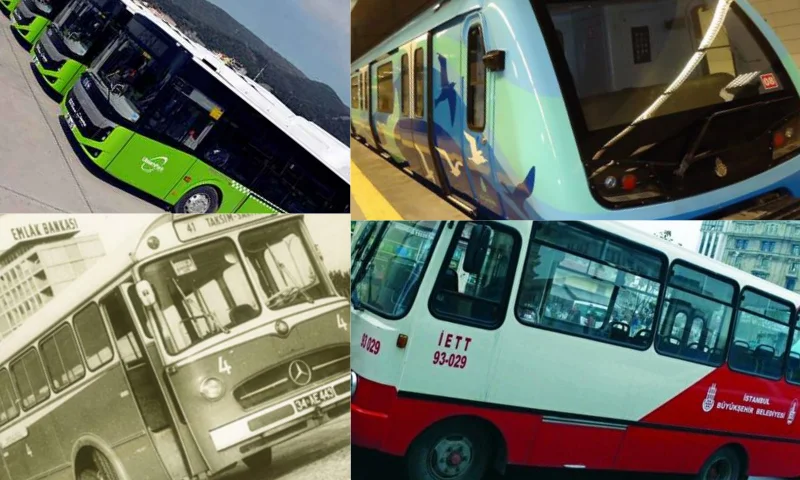
From the beginning of human history, transportation was limited to basic methods such as walking and riding animals. However, the invention of the wheel around 3500 BC greatly changed transportation. The wheel facilitated transport and formed the basis of the first vehicles. Later, around 2000 BC, water transport developed with the use of the first boats and ships on the Nile River. During the Roman Empire, Roman roads standardized road transport. For information on this subject and to ask questions you are curious about, you can look at the relevant online companies on the internet pages and examine them in detail from here.
The Industrial Revolution and Motorized Vehicles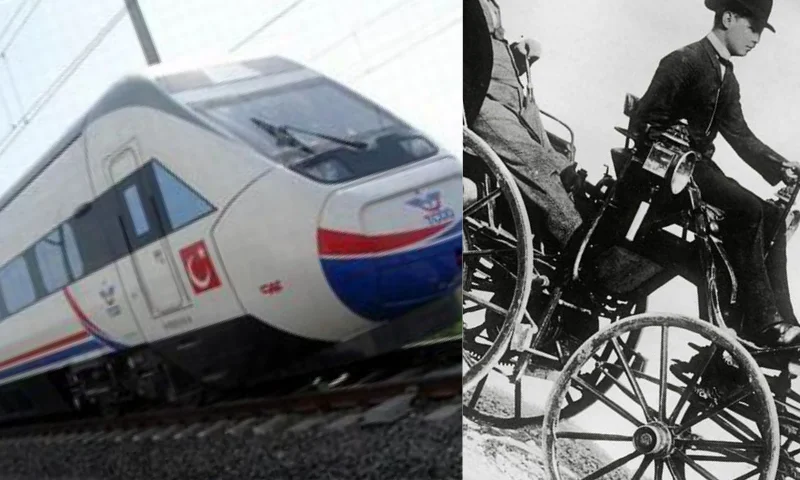
The Industrial Revolution (late 18th and early 19th centuries) was a revolutionary period in the history of transportation. The invention of steam engines made the use of steam trains and ships possible, and railway networks were built. Subsequently, the development of internal combustion engines led to the emergence of automobiles and airplanes. In the early 20th century, Ford's assembly line accelerated automobile production and further facilitated individual transportation. During this period, speed and accessibility in passenger and freight transport increased significantly.
Modern Transportation and Technological Revolution
In recent years, the development of computer technology and the rise of electric vehicles have made transportation more environmentally friendly and efficient. Smartphones and GPS technology have simplified travel planning and improved traffic management. Furthermore, new technologies such as high-speed trains, autonomous vehicles, and electric aircraft are being researched to shape the future of transportation. These technological advancements have the potential to increase energy efficiency and reduce environmental impacts. In conclusion, the evolution of transportation has undergone a great transformation throughout history and is rapidly progressing with technological advancements. This evolution allows people to travel faster, safer, and more sustainably, and is likely to be carried further in the future.