
What are the Basic Stages of International Shipping?
How do Customs Regulations Work in International Shipping?
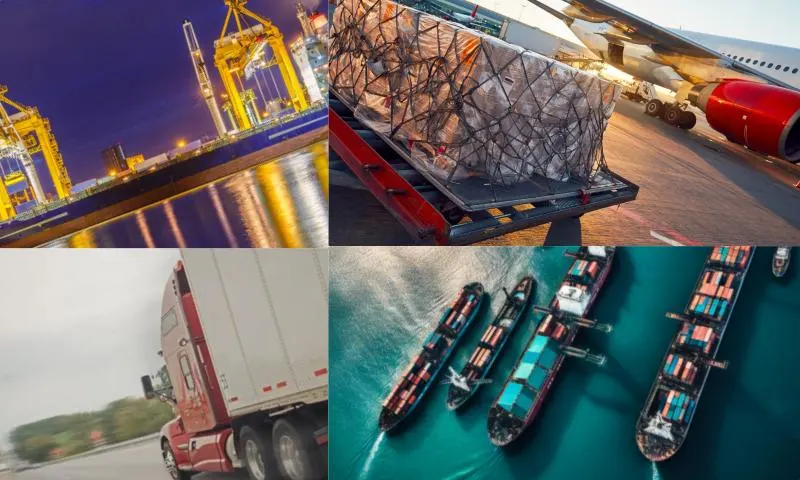
International shipping is a complex process that enables the transportation of goods and services worldwide. The basic stages of the international shipping process include important elements such as logistics management and customs regulations. The first stage is transportation planning. In this stage, appropriate transport modes are selected by considering information such as the type and quantity of goods to be sent and the destination country. The second stage is the collection and storage of materials. In this stage, goods are prepared with appropriate packaging and stored before transportation. Transportation takes place. In this stage, according to the selected transport mode, goods are loaded onto transport vehicles such as ships, planes, trains, or trucks and set off towards the destination country. For more detailed information about international shipping, you can visit the web address.
What are the Environmental Impacts of International Shipping?
Customs regulations in international shipping are processes carried out in accordance with the legal and trade regulations of each country. Customs regulations control the entry and exit of goods into the country and ensure the orderly conduct of trade. Firstly, it is necessary for the sender and receiver to prepare the necessary customs documents correctly. These documents include invoices, transport documents, and customs declarations. During customs procedures, goods must be classified according to the tariff schedule and necessary taxes must be paid. Although international shipping supports global trade, it can cause some concerns regarding its environmental impacts. The biggest environmental impact is the emissions from transport vehicles. Especially maritime and air transport can cause high amounts of carbon emissions. These emissions contribute to air pollution and climate change. Packaging materials used in logistics processes can also create environmental impacts. Plastic packaging and single-use materials can increase the waste problem. To reduce environmental impacts, many companies have started to adopt more sustainable packaging solutions and energy-efficient transport methods.