
What is Water Polo and How to Play?
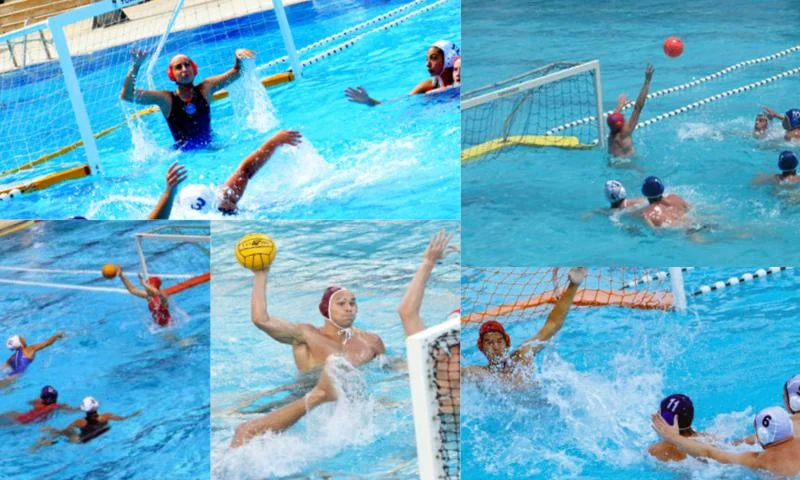
Although water polo emerged as a sport in the 1870s, the first water polo match was played between England and Scotland in 1890. The countries where water polo is most widespread are America and England. They are followed by Italy and Hungary. Water polo became active in Turkey for the first time in the 1930s, and the first water polo matches in Turkey were played in 1931 at the Büyükdere Swimming Pool with the participation of Beykoz, Beylerbeyi, Deniz Lisesi, and Galatasaray. The development of water polo in Turkey took many years. The first Turkish team to represent Turkey in Europe in water polo was Galatasaray in 1975. Turkey's greatest achievement in water polo is the championship of the Umit Youth National Team in the Ispo Youth Water Polo Championship held in 1992.
Rules of Water Polo
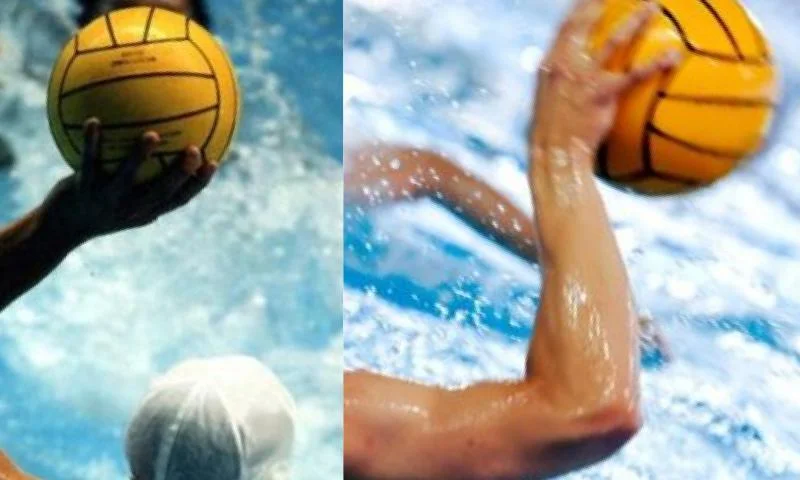
- Water polo is played in a pool that is 33 meters long and 20 meters wide. The depth of the pool varies between 1.90 and 2.00 meters.
- The width of the goals is 3 meters and the height is 90 centimeters.
- Each team has 7 players. There is 1 goalkeeper, 6 field players, and 6 substitutes.
- It is mandatory for one team to wear a blue cap and the other to wear a white cap, and the caps have numbers from 1 to 13.
- Water polo matches last 28 minutes and consist of 4 quarters. Each quarter is 7 minutes long, with 2-minute breaks between quarters. If the match ends in a draw, two overtime periods of 3 minutes each are played. If the score is still tied, the golden goal rule comes into play, and the match continues until one of the teams scores.
Fouls in Water Polo
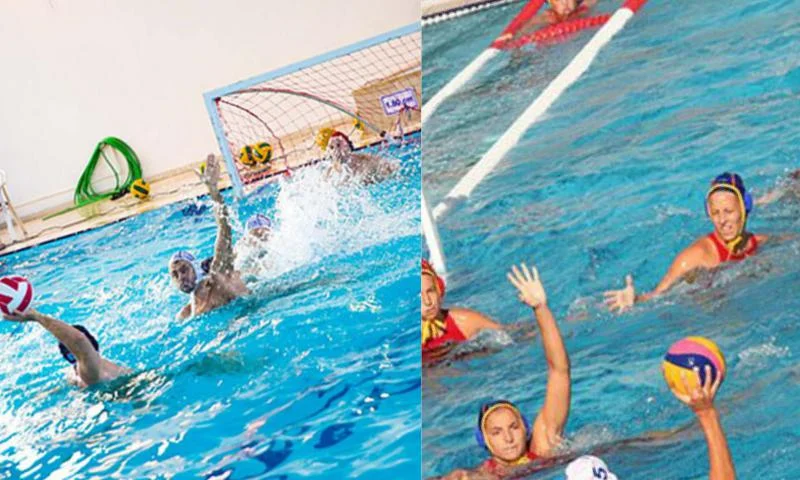
There are two different types of fouls in water polo: regular fouls and exclusion fouls. If a player holds the ball with two hands, if the ball goes underwater while dribbling, if a player interferes with an opponent who does not have the ball, if they push an opposing player, or if they do not use the ball within 35 seconds, all of these actions are penalized with a regular foul. Fouls that result in exclusion are: Kicking or striking, deliberately splashing water in an opponent's face, interfering with the ball before a free throw is taken, talking to the referee, striking a player who does not have the ball. An excluded player goes to one of the lanes behind the goal and cannot re-enter the game for 20 seconds. After 20 seconds, the referee calls the player back into the game. If the same player is excluded 3 times, they cannot re-enter the game and someone else takes their place. This rule is called "re-substitution". If a player commits an action that injures an opposing player, the player is removed from the game. This player cannot re-enter the game, and no one can replace them. This rule is called "permanent exclusion". In addition to fouls, there is also a penalty in water polo. Actions that lead to a penalty include: Interfering with a player who is about to score, interference with the goal by players or the goalkeeper, and the goalkeeper submerging the ball.





