
Durum Wheat Processing Plant (Makarnalık Buğday İşleme Tesisi) With Continuous Manufacturing in Industrial Semolina Production
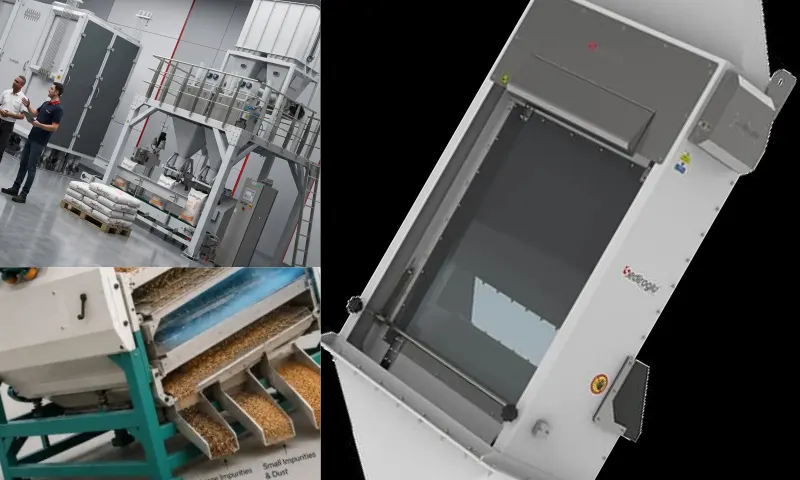
Precise Tempering and Crushing Systems in Durum Wheat Processing Plant Equipment
Industrial-scale semolina production is achieved through the combination of correct raw material preparation techniques and high-strength equipment. Sediroğlu Group (https://sediroglugroup.com/), a specialist in the manufacturing of grain processing and mill machinery,https://sediroglugroup.com/services/flour-quality-processing-end-product-solutions/durum-wheat-processing-for-high-quality-semolina responds to all machine and spare part needs of durum wheat processing plants with high standards. The durum wheat processing plant, which forms the basis of the semolina industry, undertakes the entire operation from the pre-cleaning of hard durum wheat to blending, from gradual crushing to making it ready for packaging. These plants, produced with advanced engineering discipline, stand out with their chassis structures suitable for continuous operation in high-capacity production lines and low noise levels. Ensuring uninterrupted product flow within the plant significantly increases the daily processing capacities of factories while markedly reducing the cost per unit product.
Industrial Advantages and Durability of Durum Wheat Processing Plant Systems
The tempering process, one of the most critical stages of durum wheat processing, gives elasticity to the wheat bran, facilitating the separation of bran from semolina during crushing. Automatic humidification units and dynamic tempering silos ensure that water penetrates evenly to the center of the wheat grain. The cleaned wheat, brought to ideal moisture, is sent to hardened roller mills and crushed in a way that prevents minor flour formation. This ensures high semolina yield while keeping the flour ratio low. Multi-pass square sieves and purifiers used in the separation line separate semolina particles at the micron level, creating a homogeneous semolina blend. Long-lasting mechanical components and cast materials resistant to heavy industrial conditions are the main factors that increase the service life of durum wheat processing plants. Bearing and housing systems that operate with high performance even under the high friction and load generated by hard wheat minimize the risk of heating and wear. Its modular structure, which facilitates maintenance processes, saves considerable time for technical teams. A correctly configured durum wheat processing plant facilitates the achievement of a stable product standard even with variable raw material qualities. These plants, established in accordance with international quality standards, offer semolina producers high profitability, sustainable quality, and reliable operation.