
How Fiber Optic Systems Work
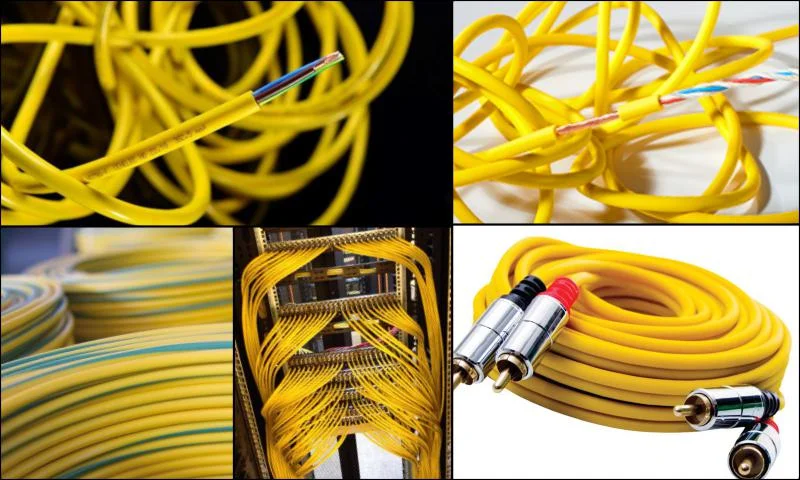
Fiber Optic Cable
Fiber optic systems are based on the principle of transmitting data at the speed of light over a thin glass thread. Fiber optics find their place in many sectors and services, from television broadcasting to national defense systems, from the internet to the automotive industry, from telephones to transportation. The fiber optic cable, consisting of three parts called the core, cladding, and jacket, opens the door to fast and high-quality connection today.
Advantages of Fiber Optic Systems
Fiber optic systems have a wide bandwidth and transmission capacity. For example, one fiber optic cable allows for 2400 simultaneous phone calls and television broadcasting at the same time. Since it has a thin core section, it takes up very little space regardless of how wide a jacket surrounds it. It provides transmission at 300,000 kilometers per second, i.e., at the speed of light. It causes very little data loss even over long distances. Fiber optic cable, sold under the name , is minimally affected by external factors such as moisture, temperature, water, impact, and soil, thus providing a much more uninterrupted transmission.
Prices of Fiber Optic Cables
The initial cost of fiber optic systems is slightly higher than other systems. However, this cost has decreased over time and as technology has developed. It is estimated that fiber optic systems will have a much lower initial cost in the future. You can access the detailed price list by visiting the page tr.prysmiangroup.com.





